TIB Held the Sixth International Training Course on Industrial Synthetic Biotechnology and Microbial Protein Biomanufacturing
The Sixth International Training Course on Industrial Synthetic Biotechnology and Microbial Protein Biomanufacturing was held in Tianjin from October 20 to November 3, 2026, with support from relevant programs of the Chinese Ministry of Science and Technology (MoST) and the Chinese Academy of Sciences (CAS).
The course was hosted by the Department of International Cooperation of MoST, organized by Tianjin Institute of Industrial Biotechnology (TIB), CAS, and co-organized by the Commission on Science and Technology for Sustainable Development in the South (COMSATS), the Alliance of National and International Science Organizations for the Belt and Road Regions (ANSO) and the CAS Innovation Cooperation Center (Bangkok). It was implemented by the COMSATS Joint Center for Industrial Biotechnology (CCIB) and the State Key Laboratory of Engineering Biology for Low-Carbon Manufacturing. A total of 20 outstanding young biotechnology scholars from 11 countries across four continents, participated in the course.
The opening ceremony was presided overby Prof. WU Xin, the project leader for the relevant MoST program and Co-Chair of the Course Organizing Committee. Prof. SUN Jibin, Chairperson of the COMSATS Coordinating Council and Director of CCIB, delivered welcome address and reviewed the achievements of previous editions of the course in cultivating talent for developing countries and promoting R&D cooperation. Prof. Ali Doğan Ömür from Atatürk University, Türkiye, and Prof. ZHAO Lei from TIB delivered remarks on behalf of the trainees and the lecturers, respectively.
The course integrated theoretical learning, hands-on experiments, cultural exchange and industry engagement. In the keynote lecture, Prof. SUN Jibin explained the core concepts of industrial synthetic biotechnology and outlined how key enabling technologies, including genome editing, DNA synthesis, automated biofoundry systems and artificial intelligence, underpin the biomanufacturing industry. Drawing on a series of proven industrial outcomes, he highlighted the strategic importance of synthetic biotechnology in addressing resource and environmental constraints, driving green industrial transformation, ensuring food and nutrition security, and advancing global sustainable development.
Fifteen experts and scholars from TIB and universities including Tianjin University, Shandong University, Jiangsu University, Southwest University and Ningxia University presented the latest advances and industrial applications in related frontier areas, including the supply and utilization of protein feedstocks, protein conversion from industrial and agricultural raw materials, industrial-scale microbial protein production, protein expression and functional analysis, and the biosynthesis of functional proteins and bioactive peptides.
In the experimental courses, more than ten engineering technical staff from TIB provided hands-on demonstrations of key technologies, including protein design and cell factory construction, prediction of optimal product synthesis pathways using genome-scale metabolic network models, the application of high-throughput screening to the development of protein-producing strains, X-ray crystallography for protein structure determination, and intelligent fermentation for microbial protein production.
The course also received support from the CAS International Science Program on CO2 Fixation and Bioconversion (CO2FIX). As part of a featured course session on one-carbon bioconversion, the trainees attended the CO2 Fixation and Bioconversion International Symposium 2026, where they learned about the latest scientific achievements and industrial developments in the field.
During the invited lecture sessions, Ms. WANG Xiuzhong, Head of the Division of Membership and Capacity Building at the ANSO Secretariat, outlined ANSO’s programs supporting joint research, international talent exchange and capacity building. Prof. HE Changchui, Distinguished Professor at the Beijing Institute of Technology and former Deputy Director-General of the Food and Agriculture Organization of the United Nations (FAO), delivered an in-depth presentation on the core competencies required of global governance professionals and approaches to capacity building in a changing era. Prof. JIANG Zhida from the China Institute of International Studies introduced the connotations of traditional Chinese culture, the latest progress in the high-quality development of the Belt and Road Initiative, and China's pragmatic measures to help Global South enhance their artificial intelligence capabilities. Assoc. Prof. WANG Shujin from Chongqing Medical University drew on his own experience to share practical insights into international cooperation and exchanges in biotechnology.
The trainees also visited Ringpu Biology Technology Co., Ltd., Zhongke Kangyuan (Tangshan) Biotechnology Co., Ltd., Guochuang Biotechnology (Tangshan) Co., Ltd., the DBN Group Phoenix International Innovation Park, and Beijing Jingweilai Biotechnology Co., Ltd. These visits offered first-hand insights into China’s advanced biomanufacturing industry and helped explore opportunities for international industrial collaboration.
Throughout the course, participants held in-depth discussions with lecturers, researchers and representatives of the visited enterprises on microbial protein biomanufacturing, high-value utilization of agricultural waste and so on. These exchanges helped identify a number of potential areas for future cooperation.The closing ceremony waspresided over by Prof. SUN Jibin. Prof. TIAN Chaoguang, Deputy Director-General of TIB, presented certificates of completion to the trainees.
As a flagship program of TIB supporting high-quality science and technology cooperation under the Belt and Road Initiative, the International Training Course on Industrial Synthetic Biotechnology has provided professional training to nearly 220 young science and technology professionals from 33 countries, helping to strengthen biotechnology capacity in developing countries. Looking ahead, TIB will continue to leverage platforms such as CCIB to promote global industry–academia–research collaboration in biomanufacturing, contributing its scientific and technological expertise to sustainable development and to the building of a community with a shared future for mankind.

Opening ceremony presided over by Prof. Wu Xin (Image by TIB)
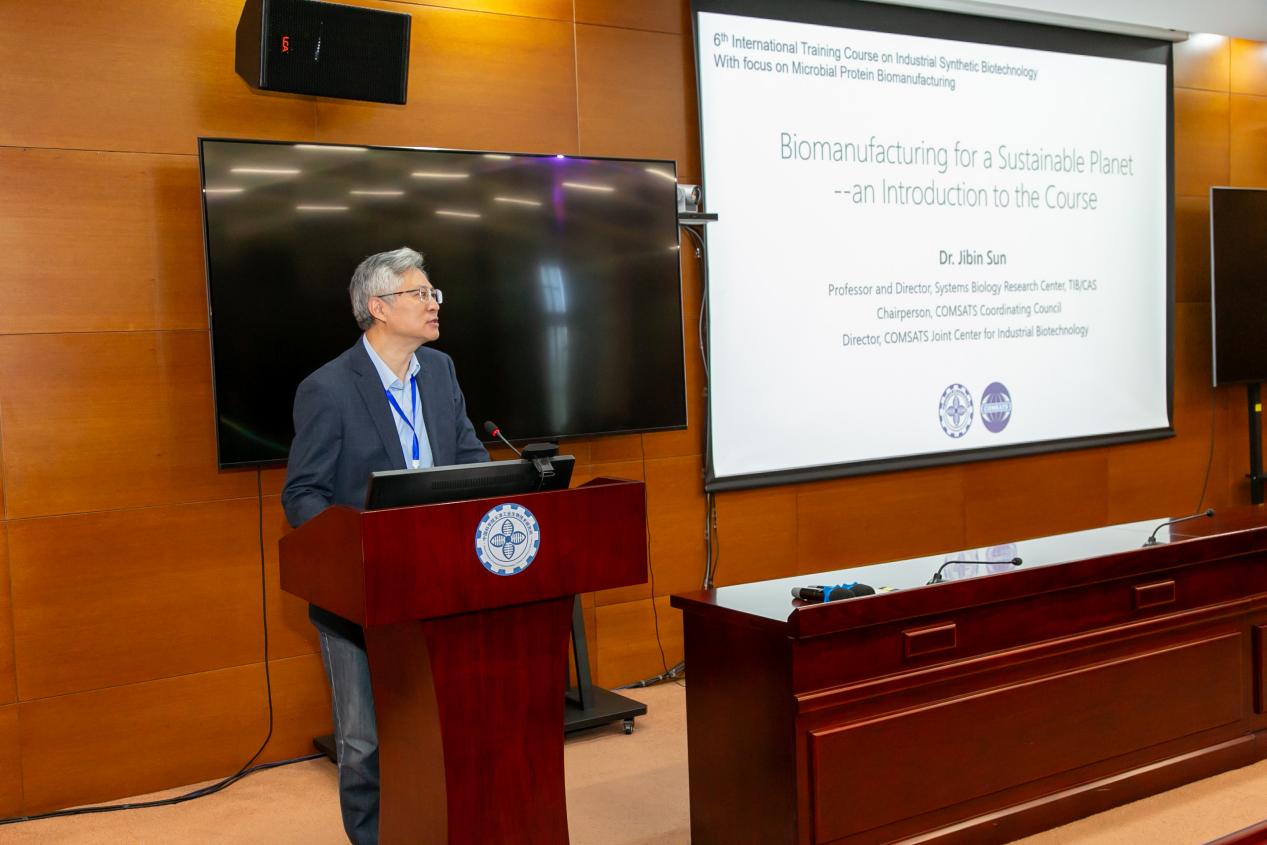
Keynote lecture by Prof. Sun Jibin (Image by TIB)
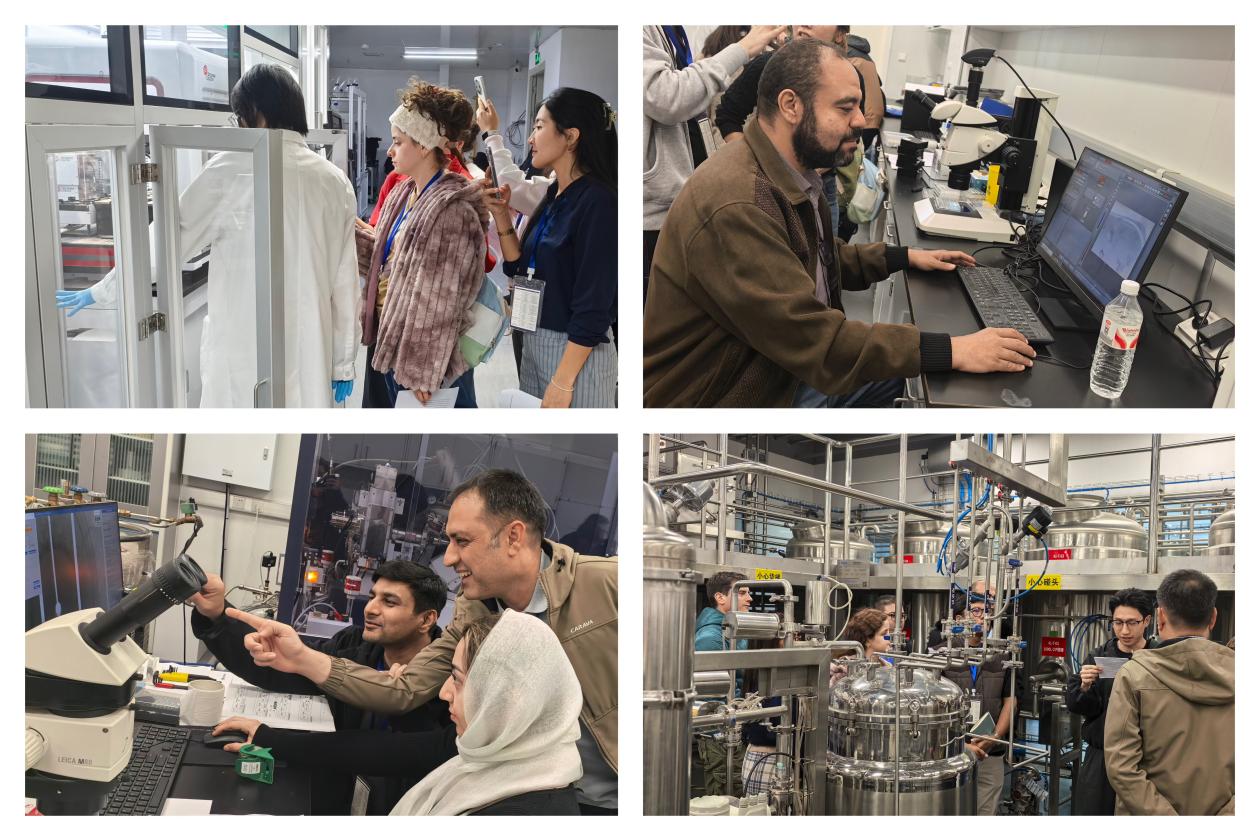
Experimental courses (Image by TIB)
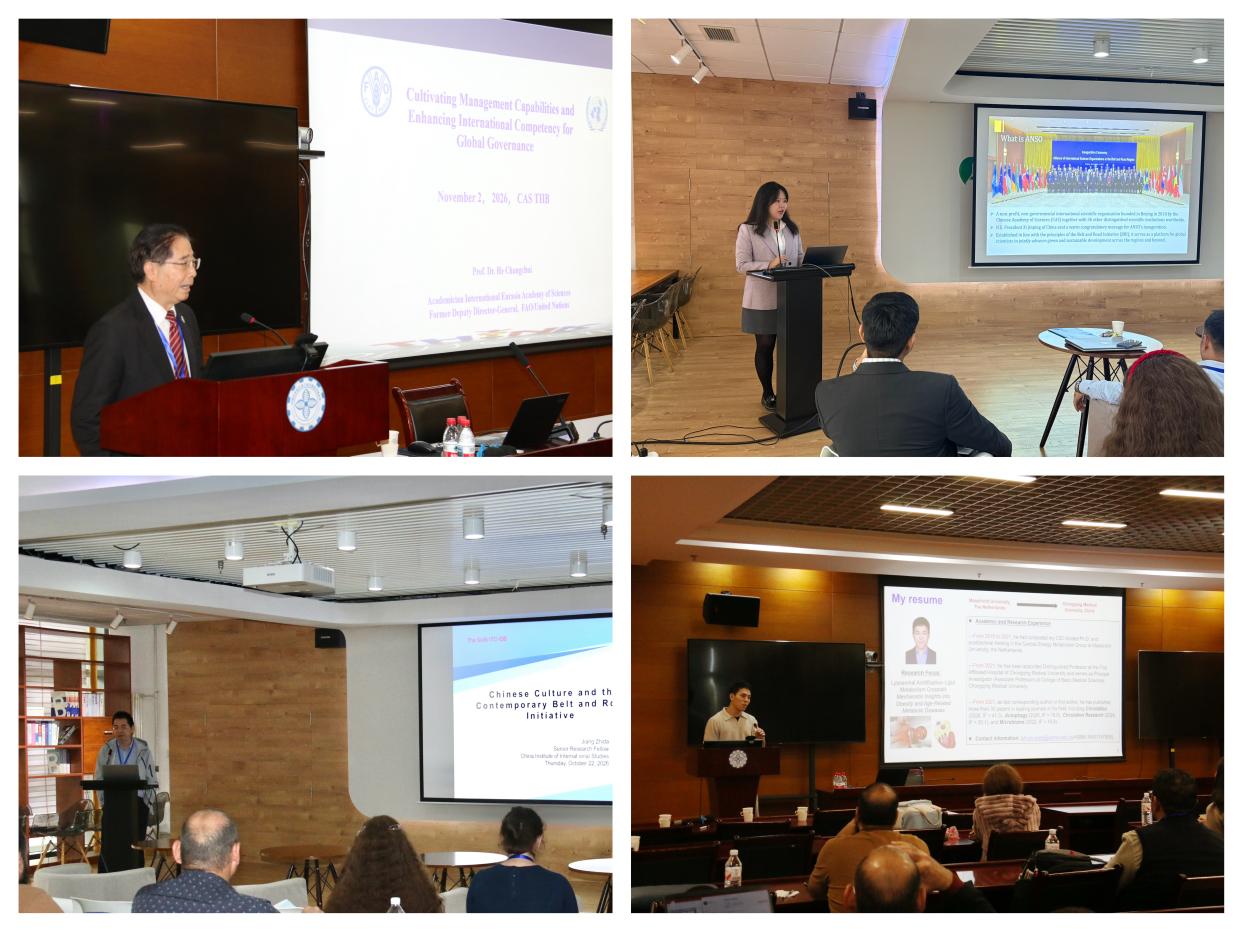
Invited lectures (Image by TIB)
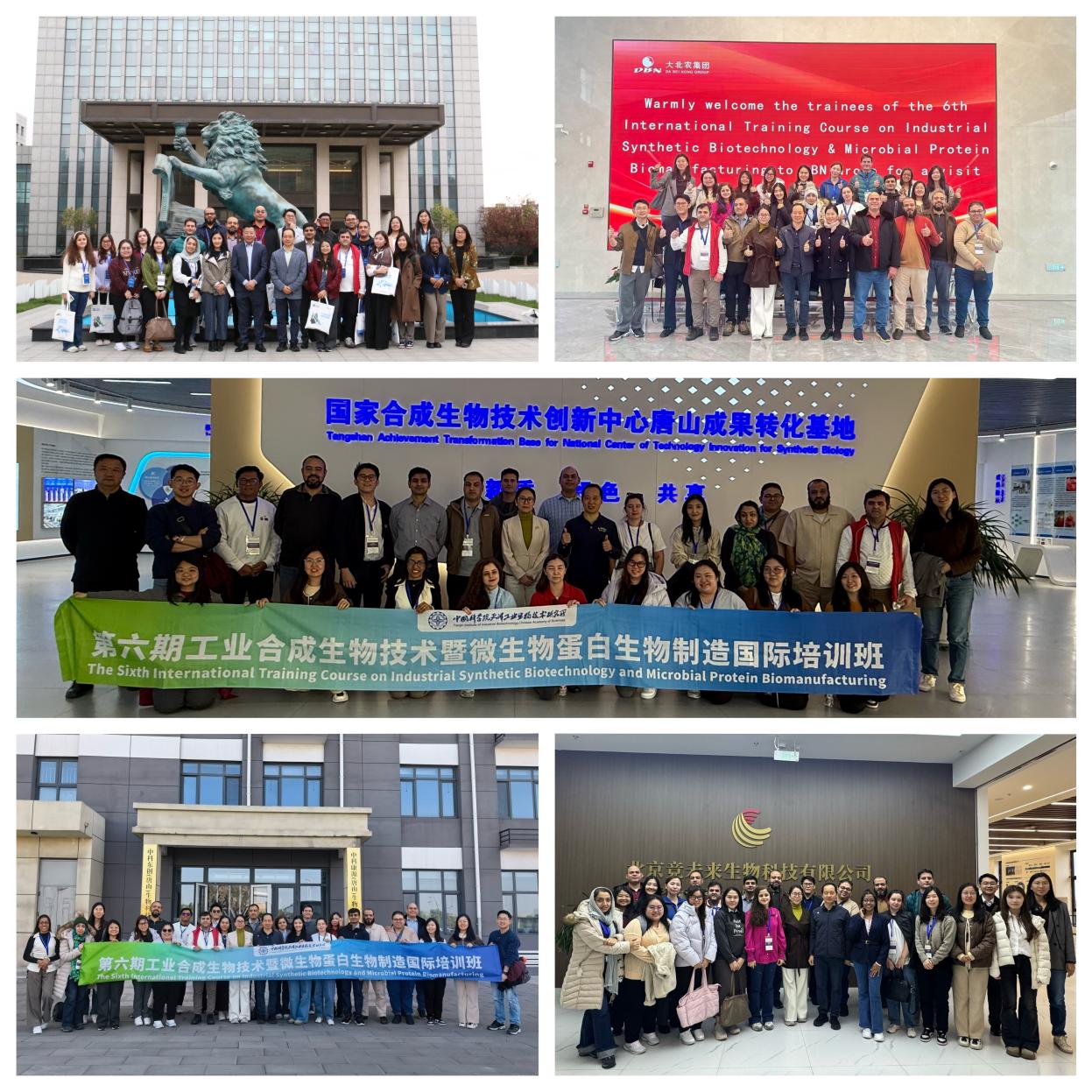
Site visits (Image by TIB)V
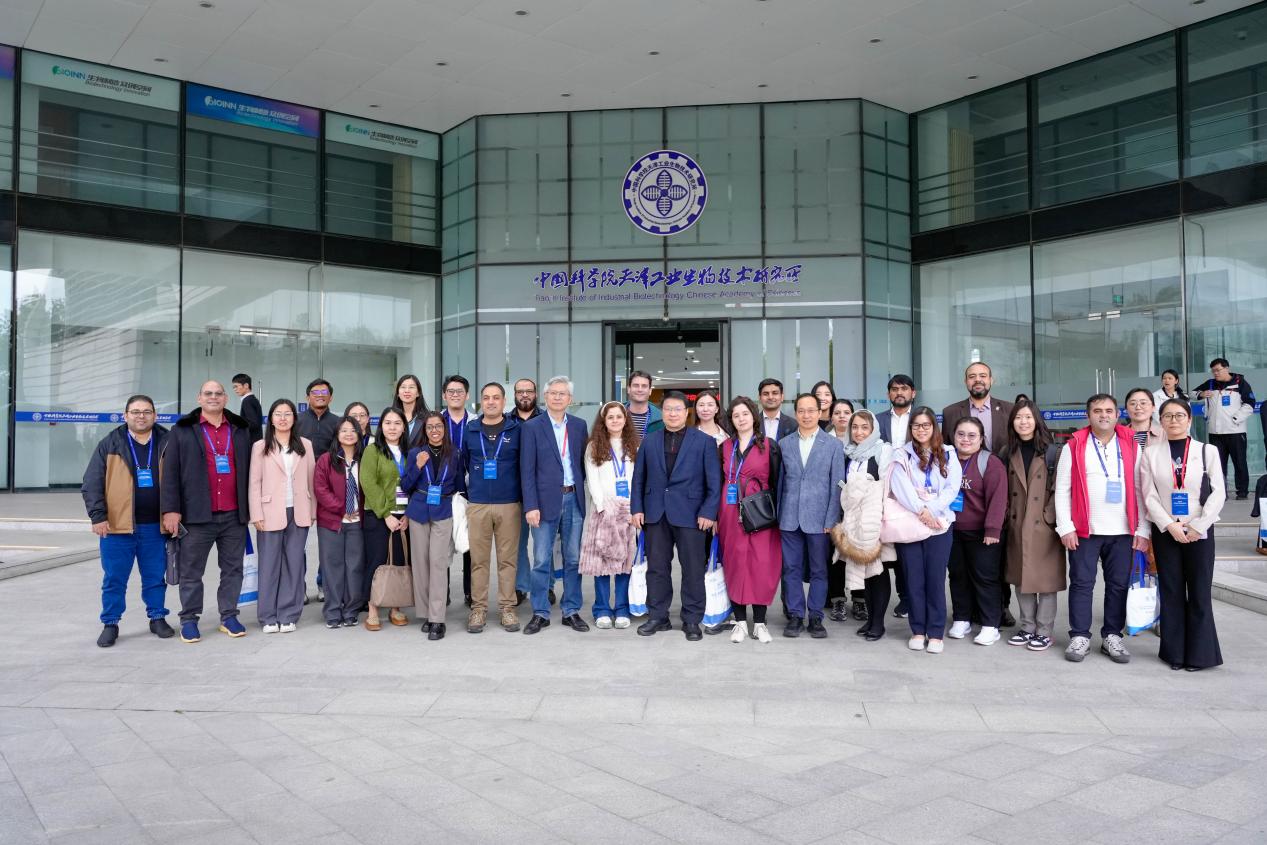
Group photo (Image by TIB)
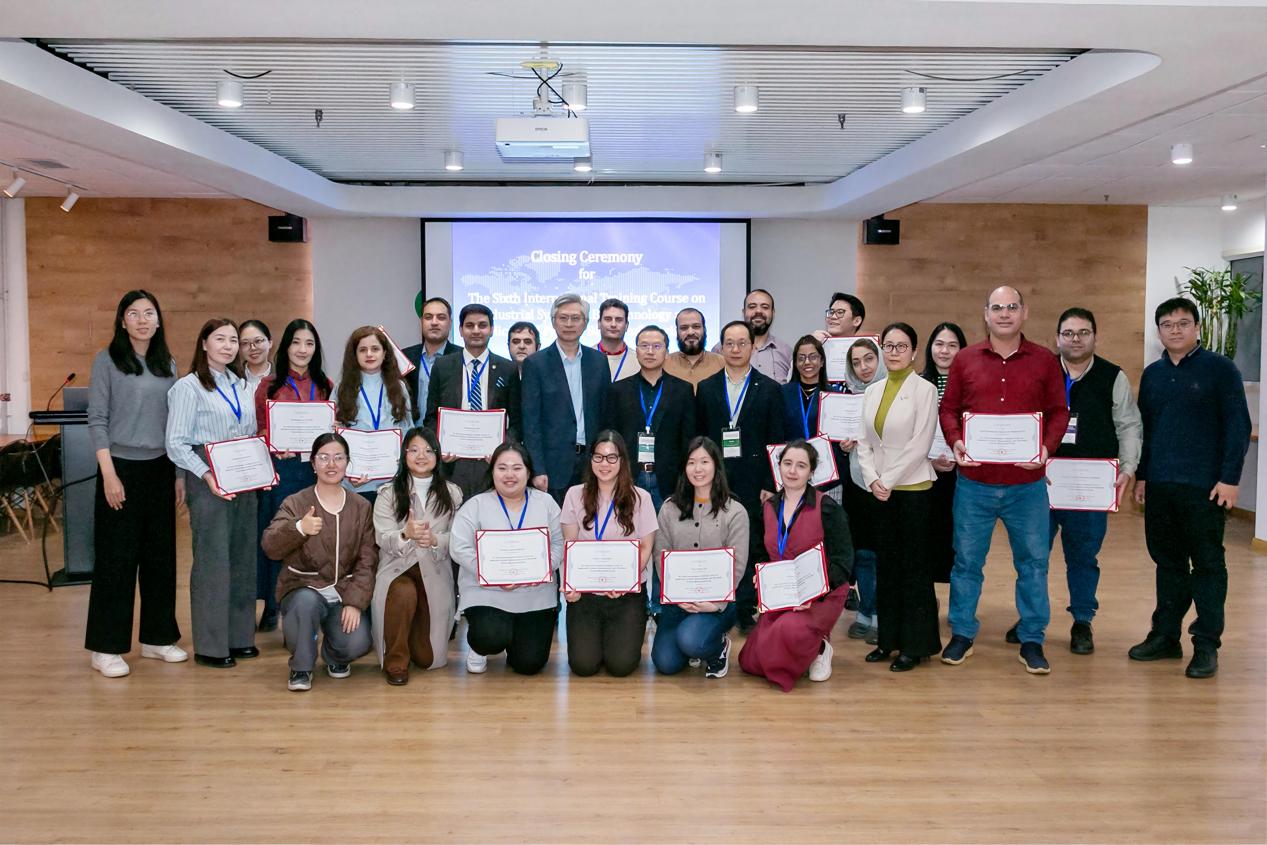
Closing ceremony (Image by TIB)

Copyright ©, Tianjin Institute of Industrial Biotechnology, Chinese Academy of Sciences
32 West 7th Avenue, Tianjin Airport Economic Area, Tianjin 300308, China
Tel: 022-84861997/84861977 Fax: 022-84861926 E-mail: tib_zh@tib.cas.cn


